Chinese embroidery machines have come a long way on price and durability. Five brands worth knowing, and the thing that matters more than which one you pick.

If you're planning to start an embroidery business, the machine you choose is one of the biggest decisions you'll make. Chinese embroidery machine brands have come a long way, and they now offer solid performance, durability and value.
Here are five Chinese embroidery machine brands trusted by small business owners and professionals around the world.
Worth clearing up first, because the phrase carries baggage it hasn't earned in years.
A very large share of the world's embroidery machines are built in China, including plenty sold under names people think of as Japanese or American. The question isn't really whether a machine is Chinese. It's which factory, which model, and above all who is standing behind it where you live.
There are excellent Chinese machines and there are poor ones, and the gap between them is wider than the gap between brands elsewhere. That's the thing to understand before you shop. You're not buying a nationality, you're buying a specific machine from a specific seller.
Feiya is one of the most recognized embroidery machine makers in China. The machines are known for stability, precision and a long lifespan.
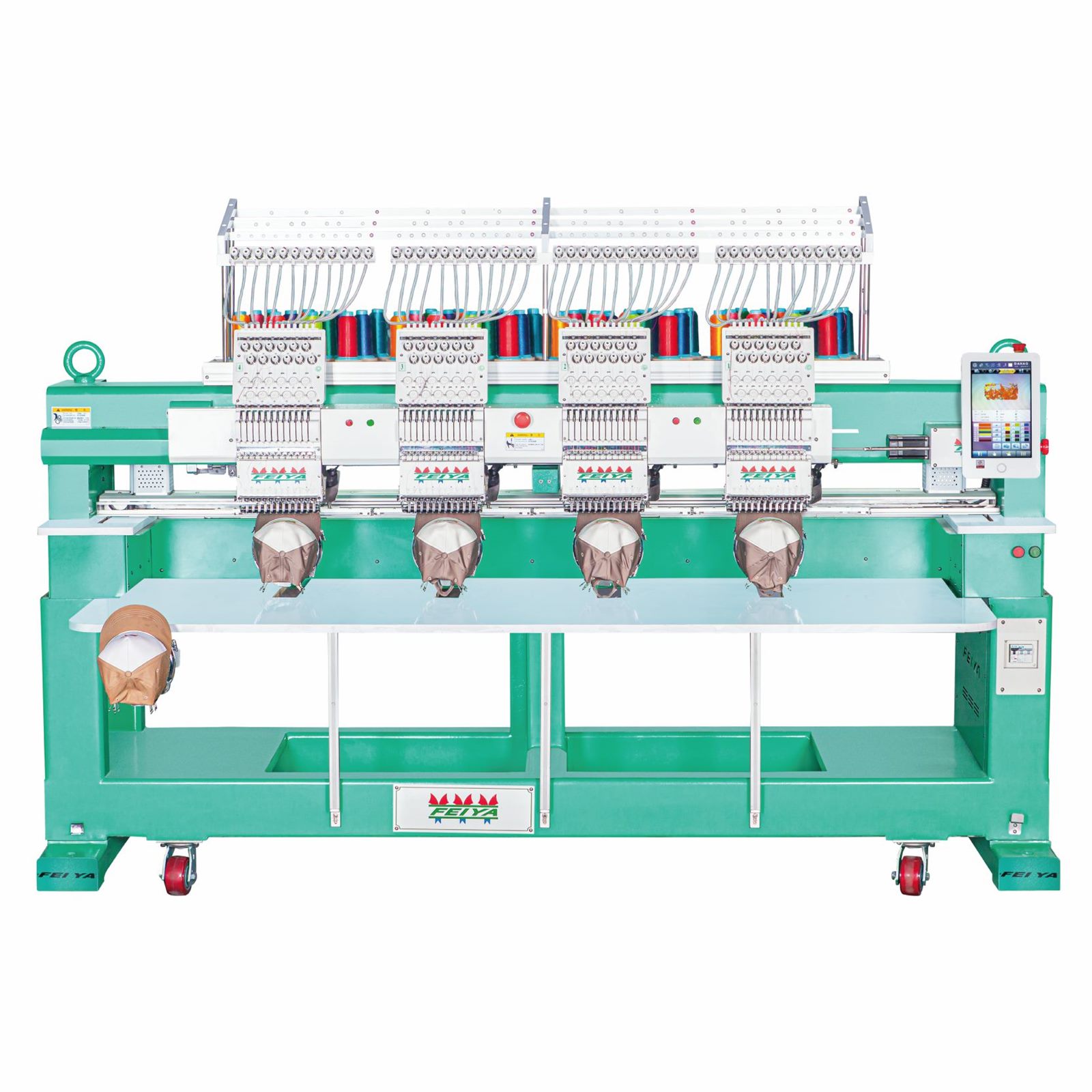
Feiya makes both single-head and multi-head computerised machines, which suits businesses of any size. With good control systems, smooth operation and clean stitch quality, it's become a global name.
Best for: professionals and growing businesses.
Yinghe is a trusted name in computerised embroidery. It offers budget-friendly machines with strong performance, which makes it a good fit for beginners and small businesses who want to start without spending a fortune.
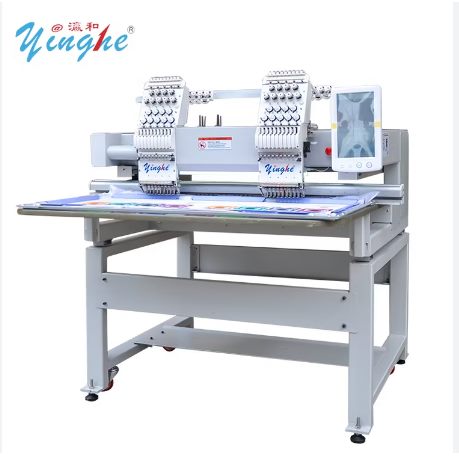
Best for: beginners and startups.
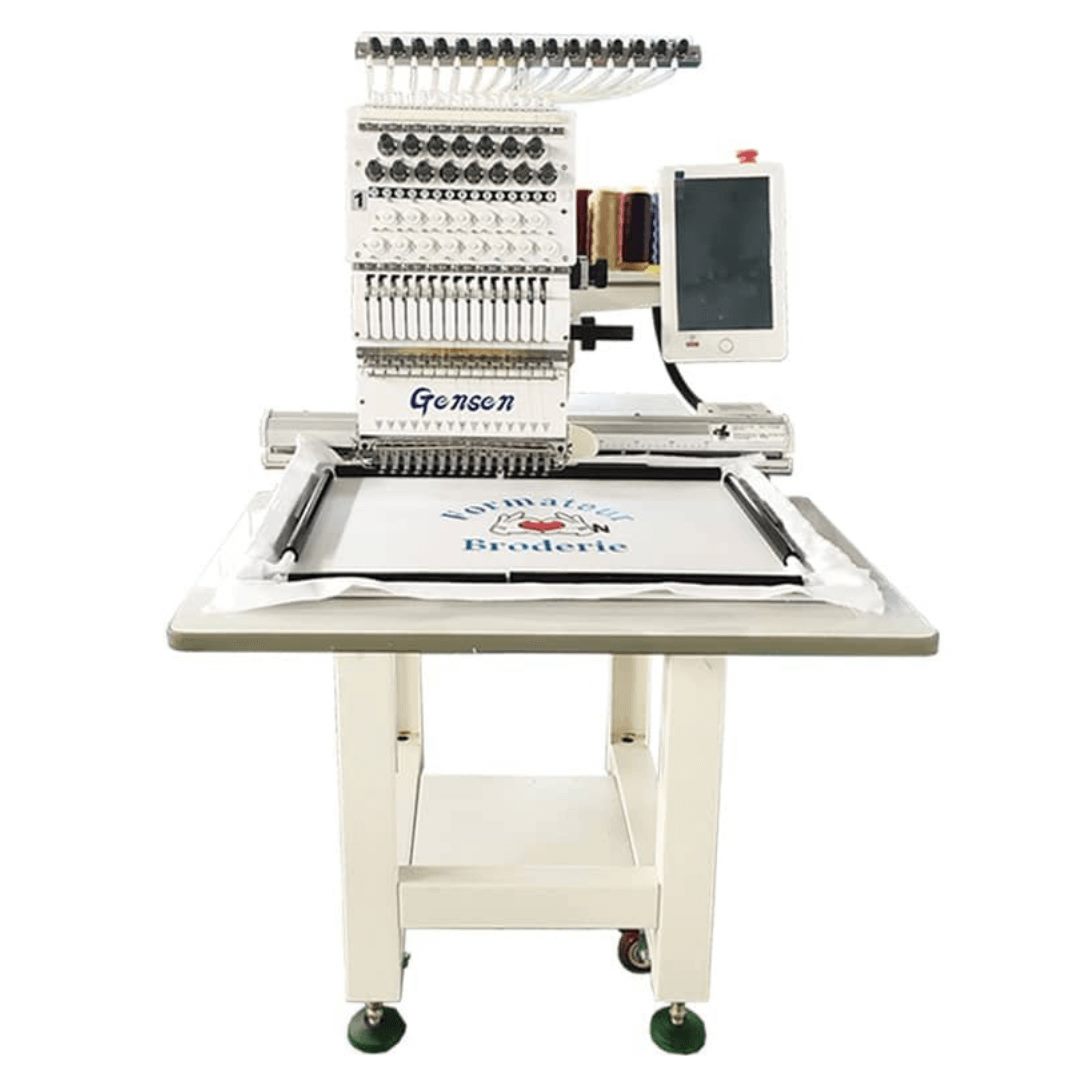
Gensen builds well-engineered machines for industrial and commercial use, with smart control systems, precise stitching and good efficiency for bulk production.
Best for: mid-level to large setups.
Wonyo machines are known for versatility and strong technical support. Flat embroidery, cap embroidery or 3D puff, Wonyo handles it. The models are popular with people who want an all-in-one setup that's easy to maintain.
Best for: entrepreneurs who want a multi-purpose machine.
Hefeng offers machines built for reliability and cost-effectiveness. They suit both beginners and professionals who want solid performance without overspending.
Best for: startups after affordable quality.
Here's the part that decides whether your machine is a good buy, and it isn't on any spec sheet.
An excellent machine with nobody nearby who can service it is worse than an ordinary machine with a technician who answers the phone. When something goes wrong, and it will, the question is how many days you're down. A shifted hook assembly or a worn part is a small job for someone who knows the model and an unusable machine for someone who doesn't.
So before you compare brands, compare sellers:
The direct route looks cheaper on paper, and sometimes it genuinely is. It's also where most of the horror stories come from.
Buying from a factory or an online marketplace gets you a lower headline price. What it doesn't get you is anyone to call. Add shipping, clearing, duty and transport, and the gap narrows more than people expect. Then a part fails in month four and you're negotiating with a supplier in another time zone about who pays for what, in a language neither of you is comfortable in, while your machine sits idle.
A local dealer costs more and takes on the part you can't handle yourself: the machine arriving, being installed, being fixed. For a first machine that's usually money well spent. Importing directly makes more sense once you already know these machines well enough to service one yourself, and you have a technician who can get parts.
Going by what each is built for:
Then override all of that with whichever one your nearest technician actually knows. Genuinely. It matters more than the ranking.
See it stitch. Not a video, not a photo of one in a workshop. Take your own design on a USB drive, run it on the kind of fabric you'll actually be working with, and watch it through a full color change and a trim.
Check the embroidery area is what you were told. Check the cap driver and frames are included rather than an extra you'll find out about later. Check the control system and have someone show you how to load a design, because you'll be doing that every day. If it runs the A15 Pro interface, we've written a full walkthrough of loading designs on the A15 Pro.
And sort out the power question before delivery, not after. Voltage, phase, and what you're running it on when the mains drop. Our guide to choosing the right embroidery machine covers that in more detail.
"Will parts be available in a few years?" For the established brands, generally yes, and this is one more reason to buy a model your local technician already sees. Obscure models are where people get stranded.
"Do they last?" Maintenance decides this far more than the badge. Machines here die of dust, no oiling and bent needles left in place, not of old age, which our guide to machine maintenance goes through. A well kept machine outlives a neglected expensive one comfortably.
"Can I resell it?" Easier with a brand people know and a technician who supports it. That's worth remembering while you're being tempted by an unfamiliar name at a lower price.
When you choose a Chinese embroidery machine, weigh up your business size and goals, the type of work you do (logos, caps, garments), and the local support, warranty and spare parts you can get.
If you're just starting, Yinghe or Hefeng might be perfect. For advanced users or growing businesses, Feiya, Gensen or Wonyo are good long-term investments.
Whichever you buy, the machine is only half of it. What it earns depends on the files you put through it. If you'd rather not pay someone per design forever, our Digitizing Mastery course teaches you to make your own, and EmbGig has machine-ready designs to download when you don't need something built from scratch.
The good ones are very good, and most machines worldwide are built there anyway. The variation between models and sellers is much bigger than the variation between countries, so judge the specific machine and the specific dealer.
Something a local technician already services, in a size that matches the work you have now. On the list above, Yinghe and Hefeng are the usual starting points.
Top speed matters less than the speed it holds steadily without thread breaks. A machine advertised at 1,200 stitches per minute that you actually run at 700 on caps is normal, and fine.
Used works if you can watch it stitch and there's someone who services that model. If you can't do both, the saving usually isn't worth it.
Ask what's covered, for how long, and who honours it. A warranty from a factory abroad is worth much less than a shorter one from a dealer down the road, because the value is in whether someone turns up. Get it in writing along with what happens to shipping costs on a warranty repair, which is where these arrangements usually come apart.
New to digitizing too? Read how to become a professional embroidery digitizer.
The Academy turns articles like this into proper courses, with video lessons, assessments, and people to learn alongside.